Google Pixel 11 Review: Gemini AI, Features, Price and Performance
Google’s Pixel 11 continues the company’s strategy of making artificial intelligence the centrepiece of its smartphone experience. Rather than introducing a dramatic redesign or a major hardware overhaul, Google has focused on making Gemini smarter, improving computational photography and refining everyday interactions. The result is a polished Android phone that feels familiar, but also raises an important question: is Google’s growing focus on AI enough to justify another yearly upgrade?
Launched in August 2026, the Pixel 11 starts at ₹89,999 in India and comes with Google’s new Tensor G6 processor, a 6.3-inch display, upgraded camera capabilities and deeper Gemini integration. Reviews generally describe it as a capable and refined smartphone, although several observers note that the hardware changes over the previous generation are relatively modest.
Pixel 11 Keeps the Familiar Pixel Design
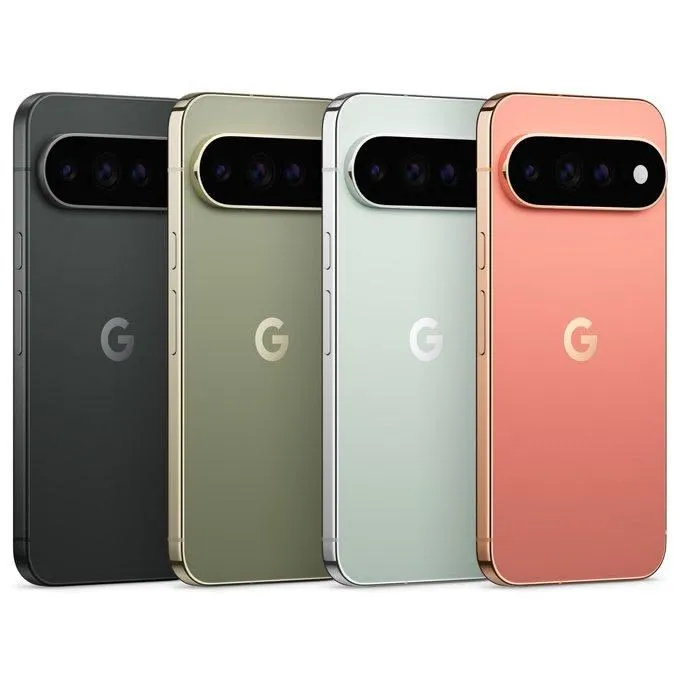
The first thing users will notice about the Pixel 11 is how familiar it looks. Google has retained the distinctive Pixel design language, including its horizontal camera bar, while making subtle refinements to the body.
Google says the camera bar is now 40 percent thinner, helping the phone sit more comfortably in a pocket and reducing the wobble that can occur when a phone is placed on a flat surface. The company has also introduced new colours while maintaining the overall visual identity that has become closely associated with recent Pixel generations.
That continuity is both a strength and a weakness. Pixel fans will appreciate the recognisable design, but owners of recent Pixel phones may struggle to see a compelling physical reason to upgrade.
Display Remains One of Pixel 11’s Strong Points
The Pixel 11 features a 6.3-inch OLED display, and the screen remains one of the phone’s strongest areas. Reviews describe the display as bright, sharp and enjoyable for everyday activities such as watching videos, browsing websites and viewing photographs.
However, the screen is not a major generational change. The underlying display experience remains broadly familiar to Pixel 10 users.
One review also noted that the phone’s display defaults to 60Hz rather than immediately taking advantage of its full 120Hz capability, although users can change the setting.
For someone moving from an older Pixel or another mid-range smartphone, the display will feel excellent. For Pixel 10 owners, however, the difference is much less dramatic.
Tensor G6 Brings Modest Performance Improvements
The Pixel 11 is powered by Google’s Tensor G6 processor, which is designed differently from chips that focus primarily on benchmark performance.
Google says Tensor G6 delivers a 25 percent improvement in web-browsing performance and 15 percent faster app launches compared with the previous generation. It also has 50 percent more TPU compute, allowing supported on-device AI tasks to run up to 3.5 times faster while using significantly less energy.
In everyday use, however, the improvement is more subtle.
Reviews suggest that the Pixel 11 feels smooth and responsive, but the difference between Tensor G6 and the previous generation may not be immediately obvious during ordinary tasks.
This highlights Google’s priorities. Tensor G6 is not simply designed to win benchmark charts; it is intended to provide the processing power required for Google’s AI features.
Gemini Is the Real Star of the Pixel 11
If the Pixel 11 has one defining feature, it is Gemini.
Google has integrated Gemini more deeply into the phone, making artificial intelligence a larger part of everyday interactions. Instead of treating AI as a separate chatbot, Google wants Gemini to understand context and help users complete tasks.
The company has introduced features designed around more proactive assistance, while Gemini can work with information from different parts of the phone to provide more useful suggestions. Google is also pushing AI-powered functions that can eventually perform tasks rather than simply answer questions.
This represents a broader shift in smartphone design. The phone is increasingly being presented as an intelligent assistant rather than simply a communication and entertainment device.
Proactive Assistance Is Interesting, but Not Perfect
One of the Pixel 11’s more ambitious Gemini additions is Proactive Assistance.
The idea is straightforward: instead of waiting for the user to ask a question, Gemini can identify relevant information and offer suggestions based on context.
For example, it may recognise conversations about schedules and provide useful information. However, early reviews indicate that the feature can feel inconsistent and is not always as intuitive as the concept suggests.
That makes Proactive Assistance promising rather than revolutionary.
The technology demonstrates where Google wants smartphones to go, but the experience still needs refinement before proactive AI becomes an indispensable part of everyday phone use.
Rambler Makes Voice Input More Useful
Another notable AI feature is Rambler, Google’s new AI-powered voice dictation tool.
Rambler is designed to clean up spoken language by removing filler words and formatting speech more naturally. It can also handle changes in thought and switching between languages, making it useful for people who frequently dictate messages, notes or emails.
Among the Pixel 11’s AI features, Rambler appears particularly practical because it solves a real everyday problem.
Rather than being a flashy demonstration of artificial intelligence, it can save time for people who prefer speaking instead of typing.
Camera Improvements Continue Google’s Pixel Strength
Photography remains another major reason to consider the Pixel 11.
Google has increased the size of the main image sensor and claims 30 percent greater light sensitivity. The phone also introduces faster Night Sight processing, with Google saying low-light images can be captured up to 4.5 times faster while maintaining image quality.
The Pixel 11 also gains Portrait Mode at 5x and Google’s computational photography continues to play a major role in producing detailed photographs.
Rather than relying solely on camera hardware, Google uses software and AI to process images after they are captured. This remains one of the most distinctive characteristics of Pixel photography.
Camera Looks Adds More Creative Control
Google has also introduced Camera Looks, giving users more control over the appearance of photographs through customisable visual styles.
The feature is aimed at people who want something beyond Google’s traditional computational photography look. Instead of manually editing every photograph, users can choose a preferred style and produce images with a more personalised appearance.
Reviews suggest that Camera Looks is useful for some photographers but may not be essential for everyone.
This reflects Google’s broader strategy of using AI to make sophisticated photography tools accessible without requiring professional editing skills.
Magic Capture Is One of the More Interesting Features
Another notable addition is Magic Capture, which can extract useful still images from video.
The feature is designed for situations where users record a moment but later realise that the perfect photograph was actually contained somewhere inside the video.
This is a clever example of computational photography solving a problem that traditional cameras cannot easily address. Instead of asking users to predict the exact moment they should press the shutter, the software provides more flexibility after recording.
It is the type of feature that may not sound revolutionary in specifications but can become genuinely useful once integrated into everyday photography.
Hardware Limitations Remain a Concern
The biggest criticism of the Pixel 11 is that Google’s software ambitions are not matched by equally dramatic hardware improvements.
The phone remains a strong performer, but the design and core hardware are largely evolutionary. Reviews have described the Pixel 11 as an incremental upgrade rather than a major technological leap.
That becomes more important when considering the price.
At ₹89,999, the Pixel 11 sits firmly in the premium smartphone category. Buyers at this price may reasonably expect substantial improvements in performance, cameras, battery technology and display hardware.
Google instead wants buyers to value its software and AI ecosystem.
Battery and Charging Are Competitive
Battery performance remains an important part of the Pixel 11 experience, and reviews generally describe the phone as capable of providing strong everyday battery life.
The phone also supports 25W Qi2 wireless charging, which is an improvement in convenience over previous generations.
However, Google continues to trail some rivals in charging speed. Users who prioritise extremely fast wired charging may find competitors more appealing.
For ordinary users, however, reliable battery endurance and convenient wireless charging may matter more than charging benchmarks.
Seven Years of Software Support
Long-term software support is one of Google’s strongest arguments for the Pixel series.
The Pixel 11 receives seven years of operating-system updates, security updates and Pixel Drops, giving buyers a long support window.
This can significantly improve the phone’s long-term value.
A smartphone that continues receiving software updates for many years is less likely to become obsolete quickly, particularly when AI capabilities continue to evolve through software.
Is Pixel 11 Worth Upgrading To?
The answer depends heavily on the phone you already own.
For someone using an older Pixel or another smartphone that is several generations old, the Pixel 11 is an attractive premium Android option. The combination of strong cameras, clean software, long-term updates and Gemini integration makes it a compelling package.
For Pixel 10 owners, the decision is much harder.
The hardware improvements are relatively small, while many of the biggest changes come from software. Reviews have consequently described the Pixel 11 as a phone that may be difficult to justify as an upgrade from the previous generation.
Pixel 11 vs the Competition
Google’s strategy also makes the Pixel 11 different from competitors.
Samsung and other Android manufacturers continue to compete heavily on display technology, camera hardware, charging speeds and raw performance. Apple’s approach similarly places considerable emphasis on custom silicon and tightly integrated hardware and software.
Google is increasingly differentiating Pixel through AI.
That strategy could become a major advantage if Gemini evolves into a genuinely useful personal assistant. But if consumers continue to view AI features as optional extras, the limited hardware changes could become a disadvantage.
Final Verdict
The Google Pixel 11 is a polished and capable smartphone that demonstrates exactly where Google believes the mobile industry is heading.
It is not a revolutionary hardware upgrade. The design remains familiar, the display is largely unchanged and the Tensor G6’s everyday performance improvements are relatively modest. Reviews have consequently described the phone as an incremental improvement rather than a dramatic generational leap.
But Google’s software story is much more interesting.
Gemini is more deeply integrated, Rambler makes voice input smarter, Magic Capture expands the possibilities of mobile photography and Camera Looks gives users additional creative control. These features show Google’s belief that the future of smartphones will depend less on specifications alone and more on intelligent software.
At ₹89,999, the Pixel 11 is not an obvious upgrade for recent Pixel owners. However, for buyers coming from an older phone and looking for a premium Android experience with excellent cameras, long software support and increasingly capable AI, it remains a strong choice.
The Pixel 11 may not redefine the smartphone, but it makes Google’s direction clear: same Pixel DNA, smarter Gemini, and a future where software intelligence matters as much as hardware power.
Read more – lasandino.com