12 Years of Make in India: Deeper Smartphone Push
Twelve years after its launch, the Make in India initiative continues to shape the country’s industrial landscape. On the anniversary of the programme, Union Electronics and Information Technology Minister Ashwini Vaishnaw highlighted one of its most visible successes: the transformation of India’s smartphone manufacturing sector. The minister’s message was clear. India already assembles phones at scale. The next phase focuses on manufacturing the components and materials that go inside them.
From Launch to Landmark Anniversary
Prime Minister Narendra Modi announced the Make in India initiative on September 25, 2014, at Vigyan Bhawan in New Delhi. The programme set out to attract investment, build manufacturing capacity, encourage innovation and position India as a global production hub. Over the subsequent decade, electronics emerged as one of the standout sectors. Mobile phone production, in particular, moved from limited assembly operations to large-scale manufacturing that now supplies both domestic demand and export markets.
Vaishnaw marked the 12-year milestone by outlining how the ecosystem is evolving beyond final assembly. In a series of posts, he stated that the country is “going deeper – manufacturing what goes inside it.” The emphasis reflects a deliberate policy shift from volume production toward higher value addition and greater control over the supply chain.
Building the Phone, Then Building Its Parts
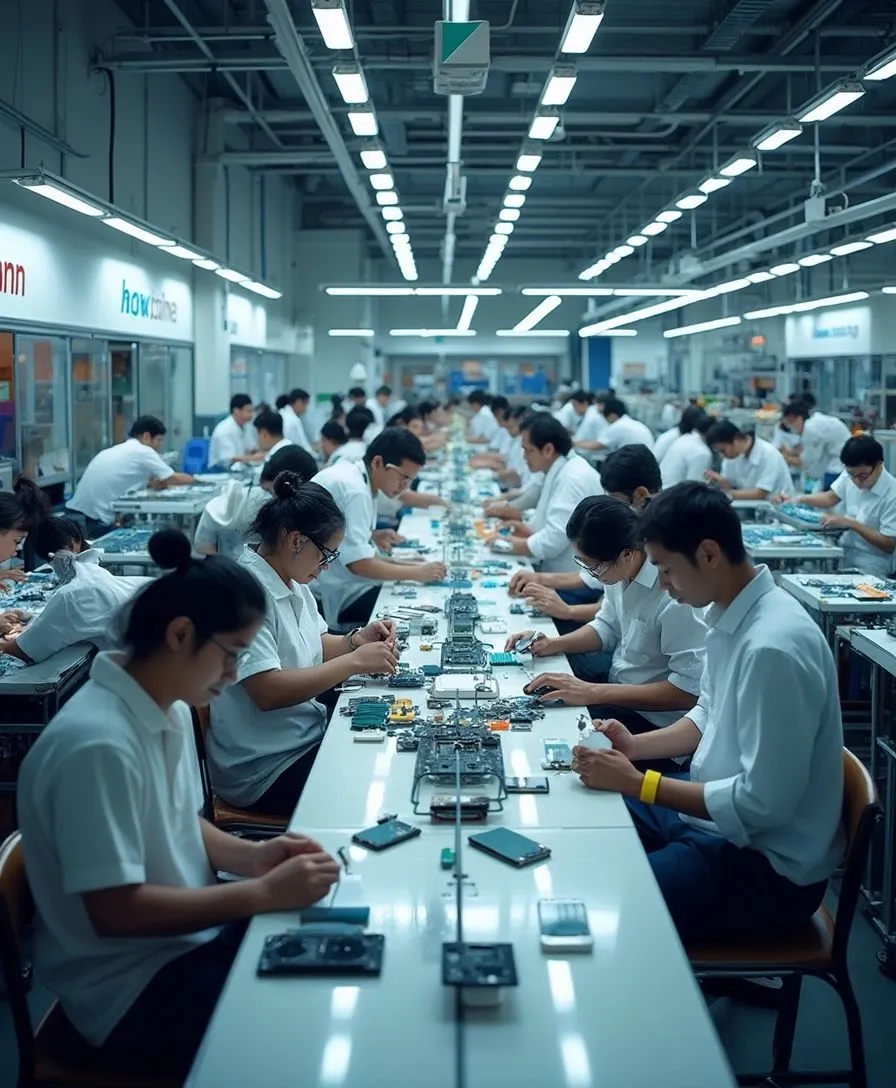
India has become the world’s second-largest manufacturer of smartphones by volume, with annual production capacity reaching around 330 million units. Official figures indicate that more than 99 per cent of mobile phones sold in the country are now manufactured domestically, a dramatic change from the situation a decade earlier when imports dominated the market.
The minister’s update focused on the next layer of capability. Battery cells are already being produced in India. Attention is now turning to the materials that constitute those cells. Synthetic graphite, used in the anode of lithium-ion batteries, is set to be manufactured domestically. Specialised additives that improve battery performance and longevity, as well as materials such as acetylene black that aid electrical conductivity, form part of the expanding domestic materials base. One notable investment cited is a major battery cell facility in Manesar with a planned outlay of several thousand crore rupees.
Beyond batteries, the component ecosystem is broadening. Cameras, displays, speakers, coils, enclosures, printed circuit boards and connectors are increasingly being made in India. Each of these elements represents a step further up the value chain and reduces reliance on imported sub-assemblies.
Policy Continuity and New Incentives
The progress in mobile manufacturing has been supported by a sequence of policy measures, including production-linked incentives that encouraged global and domestic firms to set up and expand operations. Building on that foundation, the government has approved the Mobile Phone Manufacturing Scheme with an outlay of Rs 62,500 crore. The scheme is designed to run for five years from the 2026-27 financial year and offers manufacturing incentives along with specific support for Indian brands, design and research and development.
The intent is twofold: to sustain high-volume production while steadily increasing the share of domestically designed and engineered content. Policymakers have indicated that future support will prioritise genuine intellectual property and competitive design rather than simple replication of existing products.
Why Deeper Integration Matters
Assembling smartphones creates employment and builds industrial familiarity with high-volume electronics production. Moving into components and materials multiplies those benefits. It generates more sophisticated jobs, encourages process innovation, and anchors a wider supplier base that can serve multiple industries. Domestic production of critical materials also improves supply-chain resilience, an increasingly important consideration in a world of geopolitical and logistical uncertainty.
For consumers, a deeper manufacturing base can eventually support more competitive pricing and faster availability of devices. For the broader economy, it contributes to export earnings, reduces the import bill for electronics, and strengthens India’s position in global value chains.
Challenges That Remain
The shift from assembly to component and materials manufacturing is not automatic. It requires sustained capital investment, specialised skills, reliable quality standards and long-term policy stability. Global supply chains for advanced materials and precision components remain concentrated in a few countries. Attracting and retaining that expertise in India will demand continued coordination between government, industry and research institutions.
Value addition in mobile manufacturing has improved, yet it still trails the highest international benchmarks. Closing that gap will take time and consistent execution. The new manufacturing scheme and the focus on design and intellectual property are intended to address precisely this challenge.
A Broader Make in India Story
Smartphone manufacturing is only one chapter in the larger Make in India narrative. Electronics production as a whole has expanded several-fold over the past decade, and mobile phones have become a significant export item. Similar trajectories are visible in other sectors, from defence equipment to renewable energy components. The common thread is the attempt to move from import dependence toward domestic capability across a widening range of products.
Vaishnaw’s anniversary message framed the smartphone story as emblematic of that larger journey. India first learned to make the finished product at scale. It is now learning to make the intricate parts and materials that give the product its function. Each successive layer of capability makes the industrial base more robust and less vulnerable to external shocks.
Looking Ahead
The next phase of India’s mobile manufacturing push will be measured less by the number of phones produced and more by the sophistication of what is produced inside them. Battery materials, precision components, displays and circuit boards represent the new frontier. Success in these areas will determine how much of the economic value generated by the smartphone industry remains within the country.
Twelve years after Make in India was launched, the smartphone sector stands as tangible evidence of what sustained policy attention can achieve. The phones themselves are largely made in India. The components and materials that power them are steadily following. That progression—from assembly to deeper manufacturing—captures both the progress made and the ambition that still drives the programme forward.
Read more – Dailymarathishayari.com