CJI Kant: Black Money Recovery Below 1 Percent Globally
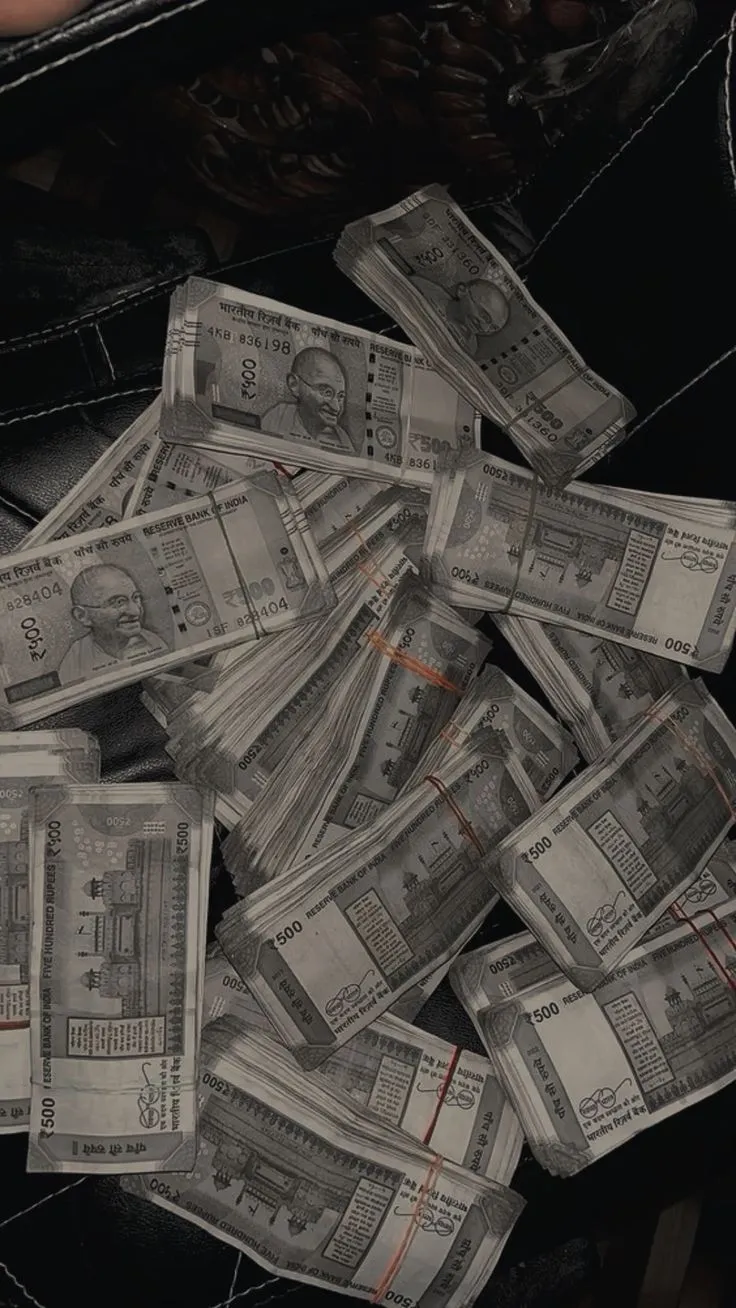
Chief Justice of India Surya Kant used a striking image to capture the scale of global money laundering. Addressing the closing session of the 43rd International Symposium on Economic Crime in Cambridge, he observed that the illicit wealth moved around the world in a single year could buy a modest laptop for every one of the planet’s eight billion people and still leave funds to spare. Yet by even the most generous estimates, less than one percent of that vast sum is ever recovered.
The Scale of the Problem
The comparison was deliberate. It translated abstract global estimates into a concrete measure of lost opportunity. For every hundred units of laundered wealth, ninety-nine remain beyond the reach of enforcement, existing mainly as references in speeches and reports. Only one part is actually returned or put right. The gap between the volume of criminal proceeds generated and the fraction successfully traced, frozen and confiscated remains one of the central failures of the international response to economic crime.
Justice Kant stressed that the fight against illicit wealth cannot remain confined to description and condemnation. Success must be measured by the practical recovery of assets and the restoration of value to victims and public treasuries. Tracing, freezing and returning criminal proceeds, he argued, should stand at the centre of policy and operational effort.
An Ancient Vice in Modern Form
Economic crime is not a recent invention. The Chief Justice traced its history to illustrate continuity. He recalled the fourth-century BC case of the Greek grain merchant Hegestratos, who allegedly planned to sink an empty ship after selling its cargo in order to claim maritime insurance. The methods have evolved, but the underlying impulse to convert crime into usable wealth has persisted across centuries.
He also drew on Indian intellectual tradition. Kautilya’s Arthashastra, composed more than two thousand years ago, identified forty ways in which officials could divert state revenue and prescribed corresponding safeguards including audits, informants, cross-verification and confiscation. Justice Kant suggested that those ancient insights should now be matched by forty better contemporary methods of tracing, freezing and returning illicit assets. The ledger of recovered criminal wealth, he said, must finally begin to move toward balance.
India’s Institutional Framework
Turning to domestic experience, the Chief Justice outlined India’s layered legal architecture. The Prevention of Money Laundering Act of 2002 establishes a three-tier process: provisional attachment by the Enforcement Directorate, confirmation by the Adjudicating Authority, and trial before Special Courts. No single institution is permitted both to accuse and to convict, preserving checks within the system. The Fugitive Economic Offenders Act of 2018 adds further tools aimed at those who flee jurisdiction after committing large-scale economic offences. Specialised agencies and dedicated courts complete the institutional design.
Yet Justice Kant was candid about results. Despite treaties for extradition and mutual legal assistance, the property actually recovered has remained underwhelming. High-profile cases involving individuals who left the country after alleged large-scale misappropriation have illustrated the difficulties. Processes initiated years earlier have not yet produced successful extraditions in certain prominent instances. Illicit assets move faster than the pace at which treaties can be ratified and enforced.
The Need for Stronger International Cooperation
No jurisdiction, however well-resourced, can pursue complex cross-border flows alone. The Chief Justice called for more effective use of existing instruments: mutual legal assistance treaties, financial intelligence sharing, beneficial ownership registers, non-conviction-based forfeiture and unexplained wealth orders. The tools largely exist. What is often missing is the consistent willingness to deploy them together and with urgency.
He noted that mutual legal assistance arrangements, despite their procedural limitations, have often proved more reliable than extradition for securing the return of assets. Once criminal proceeds leave the jurisdiction where the underlying offence occurred, they rarely remain stationary. Speed and coordination therefore become decisive.
Emerging Forms of Fraud
The address also touched on newer manifestations of economic crime, including digital arrest scams in which fraudsters impersonate police, judicial or bureaucratic officials through video calls to extract money from victims. The Indian judiciary, Justice Kant observed, has responded proactively to such schemes rather than waiting for legislative change. The Supreme Court has taken notice of the problem and directed authorities to assess its scale and consider creating a distinct offence with penalties proportionate to the harm caused.
This judicial responsiveness formed part of a broader argument: legal systems must adapt quickly to evolving methods of fraud while maintaining due process and institutional balance.
Measuring Success by Recovery
Throughout the speech ran a consistent theme. The eloquence with which the problem of economic crime is described will not determine success. What matters is the diligence with which jurisdictions trace assets, freeze them before they dissipate, and return them to rightful claimants or the public purse. Recovery rates below one percent demonstrate how far current practice falls short of that standard.
The Cambridge symposium brought together practitioners, policymakers and judges from many countries. Justice Kant’s closing message challenged participants to translate discussion into measurable results. The volume of laundered money is large enough to equip an entire global population with basic technology. The fraction recovered remains vanishingly small. Closing that gap requires sustained political will, operational coordination and a shared recognition that speeches alone leave ninety-nine parts of the problem untouched.
The Chief Justice’s intervention placed asset recovery at the heart of the global conversation on economic crime. Whether the coming years produce higher rates of tracing, freezing and return will determine whether the striking image of eight billion laptops remains a measure of failure or becomes a reminder of progress achieved.
Read more – Instantdua.com