How Fitness Affects Mental Health: Benefits of Regular Exercise for the Mind
Physical fitness is often associated with weight management, muscle strength, and overall physical health. However, its impact extends far beyond the body. Scientific research has consistently shown that regular physical activity plays a significant role in improving mental health, emotional well-being, and cognitive function. Exercise is now widely recognized as an important part of a healthy lifestyle because it supports both physical and psychological wellness.
Modern life often brings stress, long working hours, digital distractions, and limited physical activity, all of which can negatively affect mental health. Many people experience anxiety, emotional fatigue, difficulty concentrating, and mood fluctuations due to busy lifestyles and prolonged inactivity. Regular exercise offers a natural and effective way to support mental well-being by improving brain function, reducing stress, enhancing mood, and promoting better sleep.
Fitness is not limited to intense workouts or competitive sports. Walking, cycling, yoga, swimming, strength training, dancing, and other forms of physical activity can all contribute to better mental health when practiced consistently. This article explains how fitness affects mental health, the science behind exercise and the brain, and why staying physically active is essential for maintaining emotional balance and overall well-being.
Understanding the Connection Between Fitness and Mental Health
Mental health refers to emotional, psychological, and social well-being. It influences how people think, feel, manage stress, make decisions, and interact with others. Physical fitness and mental health are closely connected because the body and brain constantly influence each other.
When people engage in regular physical activity, the brain responds by releasing chemicals that improve mood, reduce stress, and support cognitive performance. Exercise also improves blood circulation, delivering oxygen and nutrients to the brain, which helps maintain healthy brain function.
At the same time, maintaining good mental health often encourages healthier lifestyle choices, creating a positive cycle where physical activity and emotional well-being support one another.
How Exercise Changes Brain Chemistry
One of the most important ways exercise benefits mental health is through changes in brain chemistry. During physical activity, the body releases endorphins, which are natural chemicals that help reduce discomfort and create feelings of happiness and relaxation. These are often referred to as the body’s natural “feel-good” chemicals.
Exercise also influences neurotransmitters such as serotonin, dopamine, and norepinephrine. These chemicals help regulate mood, motivation, attention, and emotional balance. Healthy levels of these neurotransmitters are associated with improved mental well-being and better emotional stability.
Regular exercise also supports the production of brain-derived neurotrophic factor (BDNF), a protein that promotes the growth and maintenance of brain cells. BDNF plays an important role in learning, memory, and overall cognitive health.
Exercise Helps Reduce Stress
Stress is a normal part of life, but long-term stress can affect both physical and mental health. Regular physical activity helps reduce stress by lowering the body’s stress response and promoting relaxation.
Exercise reduces levels of stress hormones while encouraging the release of mood-enhancing chemicals. Physical movement also provides an opportunity to shift attention away from daily worries and focus on the activity itself.
Activities such as walking, jogging, yoga, swimming, and cycling are especially effective in helping people manage everyday stress. Consistent exercise creates greater resilience, allowing individuals to cope with challenges more effectively.
The Role of Fitness in Managing Anxiety
Anxiety affects millions of people worldwide and can interfere with daily life. While exercise is not a replacement for professional medical treatment when needed, research suggests that regular physical activity can help reduce symptoms of anxiety for many individuals.
Exercise helps calm the nervous system by reducing muscle tension and promoting relaxation. It also encourages controlled breathing and improves the body’s ability to respond to stressful situations.
Activities that involve rhythmic movement, such as walking, running, swimming, or cycling, may be particularly beneficial because they help regulate breathing and encourage mindfulness during movement.
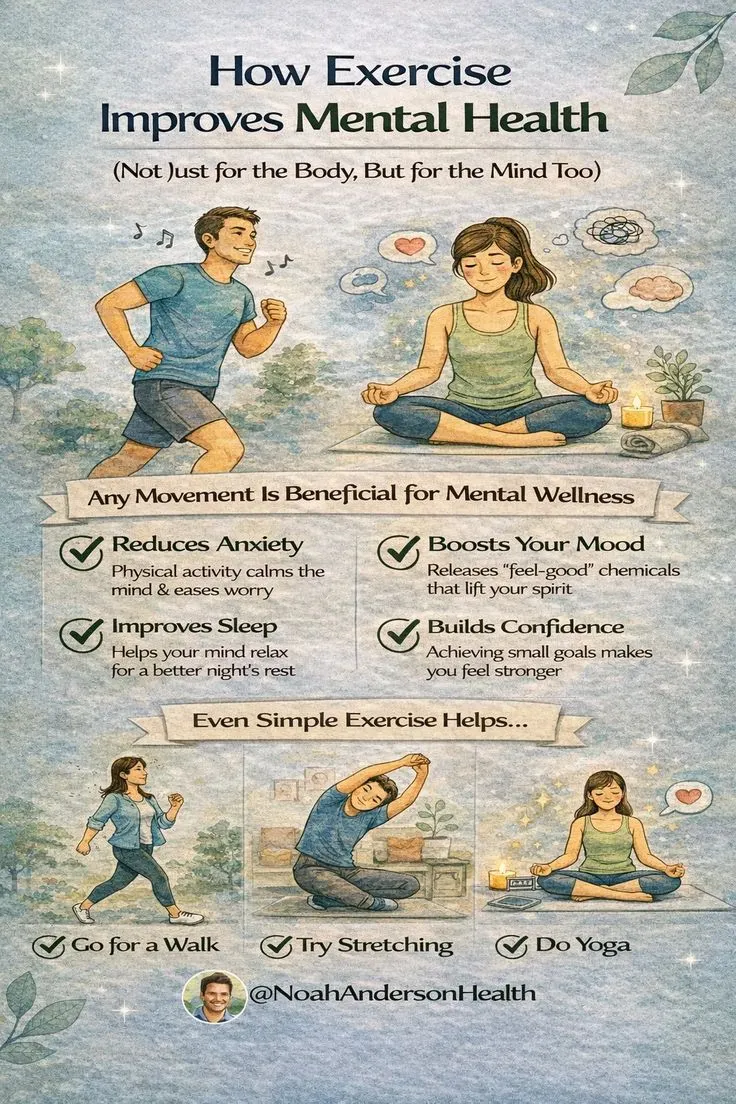
Regular participation in physical activity can also improve confidence, which may reduce feelings of anxiety over time.
How Fitness Supports Better Mood
Exercise has a positive effect on emotional well-being because it stimulates brain chemicals associated with happiness and satisfaction. Many people notice improvements in mood after completing even moderate physical activity.
Regular exercise creates a sense of accomplishment and progress. Achieving fitness goals, whether small or large, builds confidence and improves self-esteem.
Group fitness activities, sports, and outdoor exercise also encourage social interaction, which contributes to emotional health and reduces feelings of loneliness.
Consistent physical activity helps people develop a more positive outlook and greater emotional balance.
Fitness and Better Sleep Quality
Quality sleep is essential for mental health. Poor sleep can affect concentration, mood, memory, and emotional stability.
Regular exercise helps regulate the body’s natural sleep cycle by promoting deeper and more restful sleep. Physical activity also reduces stress and anxiety, making it easier to relax before bedtime.
People who maintain an active lifestyle often experience improved sleep quality, allowing the brain and body to recover more effectively.
Better sleep contributes to improved mental clarity, emotional regulation, and overall well-being.
Improving Brain Function Through Exercise
Physical activity supports healthy brain function throughout life. Exercise improves blood flow to the brain, providing oxygen and nutrients that support cognitive performance.
Research indicates that regular exercise may improve memory, attention, learning ability, and decision-making. It also encourages the growth of new neural connections that support long-term brain health.
For students and professionals, staying physically active may improve concentration, productivity, and problem-solving abilities.
Maintaining brain health through exercise becomes increasingly important as people age because it may help preserve cognitive function.
Building Self-Confidence Through Fitness
Confidence plays an important role in mental well-being. Physical fitness can improve self-confidence by helping individuals develop healthier habits and achieve personal goals.
Progress in fitness often creates a sense of accomplishment, whether it involves improving strength, increasing endurance, or maintaining a regular exercise routine.
Exercise also promotes a positive body image by encouraging appreciation for physical abilities rather than focusing only on appearance.
As confidence grows, individuals may become more willing to participate in social activities, pursue new opportunities, and face challenges with a positive attitude.
Social Benefits of Regular Physical Activity
Fitness often brings people together through sports, exercise classes, walking groups, and recreational activities. Social interaction contributes significantly to emotional well-being.
Participating in group activities creates opportunities to build friendships, receive encouragement, and maintain motivation.
Strong social connections help reduce feelings of isolation and provide emotional support during difficult times.
Even simple outdoor activities with family or friends can improve both physical fitness and mental health.
Best Types of Exercise for Mental Health
There is no single best form of exercise for improving mental health. Different activities offer different benefits depending on personal preferences and physical ability.
Aerobic exercises such as walking, jogging, cycling, and swimming improve cardiovascular health while supporting emotional well-being. Strength training helps build confidence and physical resilience.
Yoga combines movement, breathing, and mindfulness, making it particularly effective for relaxation and stress management.
Activities such as dancing, hiking, gardening, and recreational sports also provide mental health benefits by encouraging movement and enjoyment.
The most effective exercise is one that can be performed consistently over time.
Creating a Sustainable Fitness Routine
Maintaining consistency is more important than performing intense workouts occasionally. Building a sustainable fitness routine begins with setting realistic goals that fit individual lifestyles.
Choosing enjoyable activities increases motivation and makes regular exercise easier to maintain. Scheduling physical activity into daily routines helps establish healthy habits.
Gradually increasing activity levels allows the body to adapt safely while reducing the risk of injury.
Listening to the body’s needs and balancing exercise with adequate rest contributes to long-term success.
The Long-Term Benefits of Fitness for Mental Health
Regular exercise provides benefits that extend far beyond immediate improvements in mood. Consistent physical activity supports long-term emotional stability, cognitive function, and resilience against everyday stress.
An active lifestyle contributes to healthier aging, improved brain health, greater self-confidence, and better overall quality of life.
While exercise is only one part of maintaining mental health, it works effectively alongside healthy nutrition, quality sleep, strong relationships, and professional support when necessary.
Developing lifelong fitness habits creates lasting improvements for both the body and the mind.
Conclusion
Fitness and mental health are closely connected, with regular physical activity offering significant benefits for emotional well-being, cognitive performance, and overall quality of life. Exercise helps reduce stress, supports healthy brain function, improves mood, enhances sleep quality, and builds confidence through natural biological and psychological processes.
Whether through walking, strength training, cycling, yoga, or recreational sports, consistent physical activity provides valuable support for maintaining mental wellness. The goal is not perfection but regular movement that fits individual lifestyles and abilities.
By making fitness a part of everyday life, individuals can strengthen both their physical health and mental resilience, creating a healthier, happier, and more balanced future.