How to Protect Your Skin From Pollution: Complete Healthy Skin Guide
Healthy skin is not only about using expensive skincare products or following beauty trends. One of the biggest challenges to maintaining healthy skin today is environmental pollution. Whether you live in a busy city or travel through areas with heavy traffic, your skin is constantly exposed to pollutants such as dust, smoke, vehicle emissions, industrial particles, and harmful airborne chemicals. These pollutants can weaken the skin’s natural protective barrier and contribute to various skin concerns over time.
Research in dermatology has shown that long-term exposure to pollution can increase oxidative stress on the skin, leading to premature aging, uneven skin tone, dryness, irritation, and a weakened skin barrier. While avoiding pollution completely is impossible, adopting the right skincare habits and lifestyle practices can significantly reduce its harmful effects.
This comprehensive guide explains how pollution affects your skin, the signs of pollution-related skin damage, and practical ways to protect your skin while maintaining a healthy, glowing complexion.
Understanding How Pollution Affects the Skin
The skin acts as the body’s first line of defense against the external environment. Every day, it comes into contact with airborne pollutants, ultraviolet radiation, changing weather conditions, and microorganisms. Fine particulate matter, smoke, and other pollutants can settle on the skin’s surface and contribute to oxidative stress by generating unstable molecules known as free radicals.
These free radicals may damage skin cells, weaken collagen and elastin fibers, and disrupt the skin barrier. Over time, this process may accelerate visible signs of aging, reduce skin hydration, and increase sensitivity.
Pollution may also combine with natural skin oils and sweat, potentially clogging pores and contributing to acne or dull-looking skin.
Common Signs of Pollution-Related Skin Damage
Pollution affects people differently depending on skin type, lifestyle, and environmental exposure. However, several common signs may indicate that pollution is affecting skin health.
Many people notice increased dryness, rough texture, or a dull complexion after prolonged exposure to polluted environments. Some individuals experience clogged pores, blackheads, or acne due to the accumulation of dirt and excess oil.
Others may develop redness, irritation, or increased skin sensitivity because pollutants can weaken the protective skin barrier. Fine lines, uneven pigmentation, and reduced skin elasticity may also become more noticeable over time due to ongoing oxidative stress.
Recognizing these early signs allows individuals to adopt protective skincare practices before long-term damage develops.
Cleanse Your Skin Properly Every Day
One of the most effective ways to protect skin from pollution is maintaining proper cleansing habits.
Throughout the day, pollutants, dust, oil, sweat, and sunscreen accumulate on the skin’s surface. Gentle cleansing helps remove these impurities before they remain on the skin for extended periods.
Choosing a cleanser that suits your skin type is important. Harsh cleansing products may remove natural oils and weaken the skin barrier, while gentle cleansers help clean the skin without excessive dryness.
Cleansing both in the morning and especially before bedtime helps reduce the accumulation of environmental particles and supports healthier skin.
Strengthen Your Skin Barrier
The skin barrier plays a crucial role in protecting against environmental damage. A healthy skin barrier helps retain moisture while reducing the penetration of harmful external substances.
Using moisturizers regularly helps strengthen this protective barrier. Well-hydrated skin is generally better equipped to resist environmental stress.
Skincare products containing ingredients that support barrier function can also contribute to healthier skin over time. Consistent hydration allows the skin to recover from daily environmental exposure more effectively.
Never Skip Sunscreen
Many people associate sunscreen only with protection from sunlight, but it also plays an important role in protecting skin exposed to environmental stress.
Ultraviolet radiation and pollution together may increase oxidative damage more than either factor alone. Applying broad-spectrum sunscreen daily helps reduce UV-related skin damage and supports overall skin health.
Sunscreen should be used throughout the year, even on cloudy days, because ultraviolet rays remain present regardless of visible sunshine.
Reapplying sunscreen during prolonged outdoor activities provides continued protection.
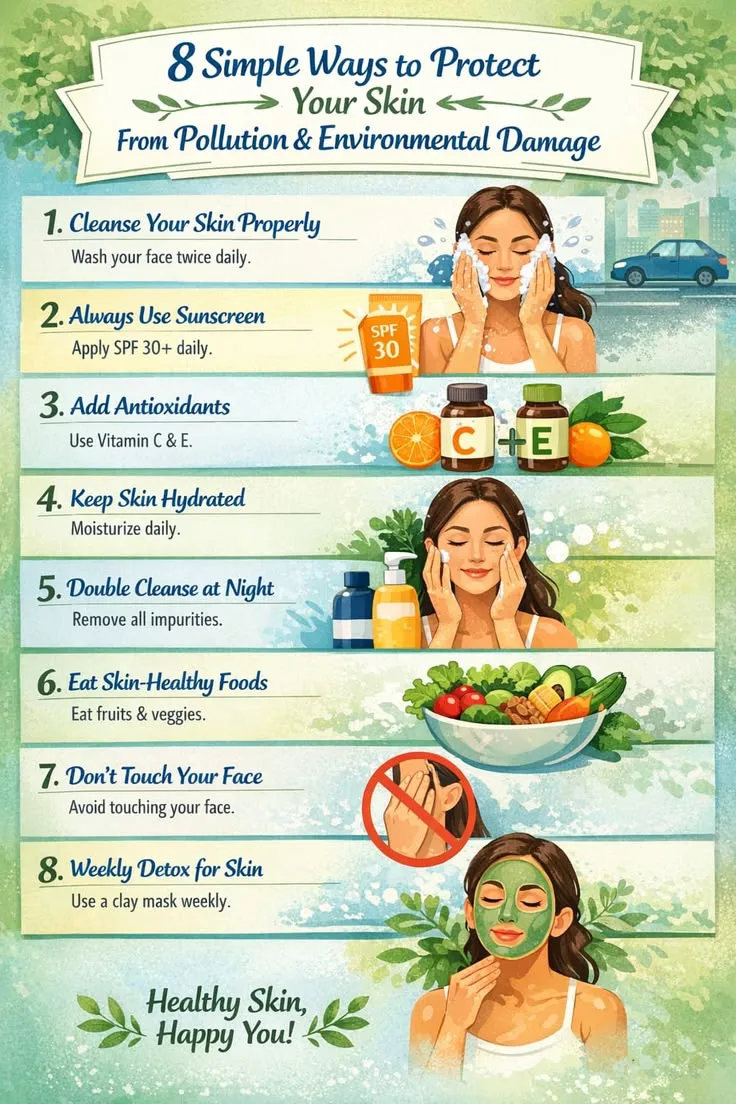
Include Antioxidants in Your Skincare Routine
Antioxidants play an important role in defending the skin against free radical damage caused by pollution and ultraviolet exposure.
Skincare products containing antioxidants help neutralize unstable molecules before they contribute to cellular damage.
Several well-known antioxidants are commonly used in skincare because they support skin protection and improve overall skin appearance.
A balanced skincare routine that includes antioxidant-rich products may help reduce visible signs of environmental stress over time.
Stay Hydrated From Within
Hydration is essential for maintaining healthy skin.
Drinking enough water supports normal body functions and contributes to healthy skin hydration. While water alone cannot eliminate pollution-related damage, proper hydration supports overall skin function and helps maintain elasticity.
Consuming water-rich foods such as fruits and vegetables also contributes to hydration while providing important vitamins and minerals.
Healthy skin depends on both external skincare and internal hydration.
Eat a Nutrient-Rich Diet
Nutrition plays a significant role in skin health.
A balanced diet containing fruits, vegetables, whole grains, healthy fats, and quality protein provides nutrients that support skin repair and normal cell function.
Foods naturally rich in antioxidants may help the body manage oxidative stress caused by environmental exposure.
Healthy eating habits support not only skin appearance but also overall well-being.
Avoid Touching Your Face Frequently
Hands come into contact with numerous surfaces throughout the day and may carry dirt, bacteria, and pollutants.
Frequently touching the face can transfer these particles onto the skin, increasing the likelihood of irritation or clogged pores.
Developing the habit of avoiding unnecessary face touching helps maintain cleaner skin throughout the day.
Keeping hands clean also supports better skin hygiene.
Remove Makeup Before Sleeping
Sleeping with makeup allows pollutants, oil, and cosmetic products to remain on the skin overnight.
This may contribute to clogged pores, irritation, and dull skin over time.
Proper makeup removal followed by gentle cleansing helps the skin recover during sleep.
Nighttime is an important period when the skin naturally repairs itself, making a clean skincare routine especially beneficial.
Maintain a Consistent Skincare Routine
Consistency is often more important than using numerous skincare products.
A simple routine that includes cleansing, moisturizing, sun protection, and appropriate skincare products can effectively support skin health.
Changing products too frequently may increase irritation for some individuals.
Choosing products appropriate for your skin type and following a consistent routine provides better long-term results.
Protect Your Skin During Outdoor Activities
People who spend long hours outdoors may experience greater pollution exposure.
Wearing protective clothing such as hats or sunglasses can reduce direct environmental exposure.
Whenever possible, washing the face after returning indoors removes accumulated pollutants.
Limiting unnecessary outdoor exposure during periods of heavy air pollution may also help reduce skin stress.
Get Enough Sleep
Quality sleep supports the body’s natural repair processes, including skin renewal.
Insufficient sleep may contribute to dullness, increased sensitivity, and slower recovery from daily environmental stress.
Maintaining regular sleep patterns allows the skin adequate time to regenerate and recover.
Good sleep complements a healthy skincare routine.
Manage Stress for Better Skin Health
Chronic stress may affect overall skin condition by influencing hormone levels and inflammatory processes.
Stress management techniques such as regular physical activity, relaxation practices, and maintaining a healthy work-life balance support both mental well-being and skin health.
Healthy lifestyle habits often improve the effectiveness of skincare routines.
When to Consult a Dermatologist
Although many pollution-related skin concerns improve with proper skincare, persistent problems may require professional evaluation.
Individuals experiencing severe irritation, ongoing acne, unusual pigmentation changes, persistent redness, or worsening skin conditions should consult a qualified dermatologist.
Professional guidance helps identify underlying causes and ensures appropriate treatment.
Self-diagnosing chronic skin problems should be avoided.
Conclusion
Environmental pollution has become an unavoidable part of modern life, but its effects on the skin can be reduced through informed skincare and healthy lifestyle choices. Daily cleansing, moisturizing, sun protection, proper hydration, antioxidant-rich nutrition, and consistent skincare habits all contribute to maintaining a strong and healthy skin barrier.
Protecting your skin from pollution is not about following complicated beauty routines. Instead, it involves understanding how environmental factors affect the skin and adopting simple, science-based habits that support long-term skin health. By combining proper skincare with a balanced lifestyle, individuals can minimize pollution-related damage, preserve their skin’s natural glow, and maintain healthier skin for years to come.
Read more – amherstdelivery.com