Flydubai Co-Pilot Likely Acted Alone in Hijack Attempt: Reports
Investigators examining the violent mid-air incident on a flydubai flight bound for Israel believe the co-pilot who attacked the captain and attempted to take control of the aircraft likely acted alone. Multiple media reports citing officials familiar with the inquiry have described the episode as a lone-wolf operation, with no confirmed links so far to any organised group or foreign government.
The co-pilot has been identified by several outlets as Hamam al-Hammami, an Omani national. His identity has not been formally confirmed by United Arab Emirates authorities or the airline. He remains in custody in the UAE, where the primary investigation is under way. Israel and other parties are also examining aspects of the case.
What Happened on Flight FZ1073
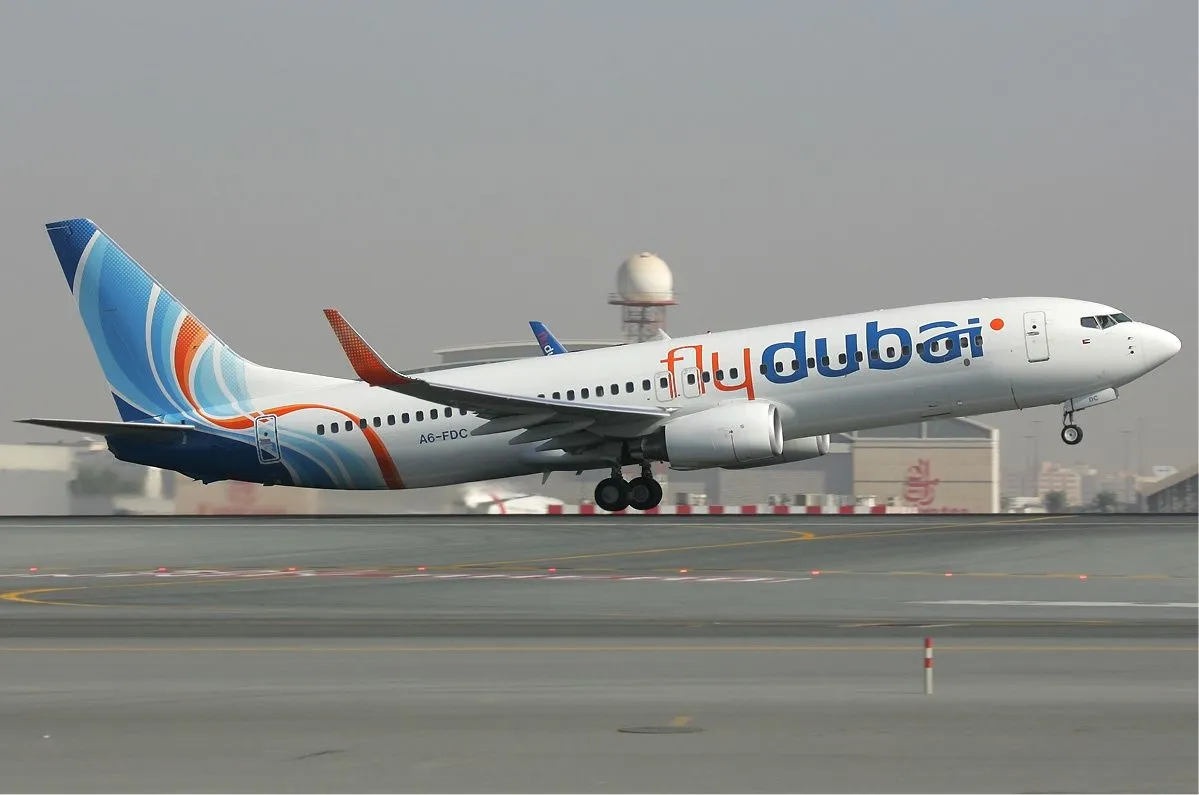
On 30 September 2026, flydubai Flight FZ1073 departed Dubai for Tel Aviv with more than 170 people on board. Roughly two and a half hours into the journey, the co-pilot attacked Indian Captain Smit Machchhar inside the cockpit. According to the UAE prosecutor general, the assailant used a crash axe—an emergency tool kept on the flight deck—and attempted to seize control of the aircraft.
Captain Machchhar has described the sequence in detail. The co-pilot asked to pray, a request the captain regarded as ordinary. While Machchhar faced forward out of respect, he was struck from behind. Repeated blows followed. Realising the threat came from his colleague rather than a mechanical failure, the captain fought to open the cockpit door despite serious injuries and blurred vision. He succeeded in releasing the door, allowing passengers and crew to intervene as the aircraft entered a steep descent.
Passengers, including several Israelis, rushed the cockpit and helped restrain the co-pilot. Two off-duty flydubai pilots travelling as passengers took over the controls and stabilised the aircraft. The flight diverted to Tabuk in Saudi Arabia, where it landed safely. All passengers disembarked without serious injury beyond those sustained by the two pilots. Captain Machchhar has been widely praised for his actions under extreme pressure.
Emerging Picture from the Investigation
Early assessments from Israeli officials briefed on the UAE-led inquiry indicate that the co-pilot appears to have acted alone. One official told media that, at this stage, Israel is not aware of any connection to a group or government. Separate reporting has described the episode as a lone-wolf attack. These conclusions remain preliminary; the full investigation is ongoing and motives are still being examined.
Additional details reported by media outlets suggest the co-pilot had planned an attack before joining flydubai and had previously operated flights on the Dubai–Tel Aviv route. Some accounts state he considered acting on an earlier flight but did not follow through. Reports also indicate he had been barred from flying by Omani authorities at an earlier stage of his career because of concerns about radical views, before later being employed by the UAE carrier. None of these elements has been officially confirmed by the governments or airline involved.
Official Positions and Ongoing Inquiries
The UAE has characterised the incident as a terrorist attack and is leading the criminal investigation. Israeli authorities have been kept informed and have participated in aspects of the examination. Captain Machchhar has spoken with both Israeli and Indian leaders, who have publicly recognised his courage. The airline has limited its public comments while the facts are established and has adjusted its operations on the affected route as a precaution.
Questions remain about pre-employment screening, the co-pilot’s previous record, and how any earlier concerns about ideology were handled. Aviation security protocols for cockpit access, crew monitoring and route-specific risk assessment are likely to face renewed scrutiny in the aftermath.
Broader Context and Implications
The incident is rare in modern commercial aviation. Attacks by a serving crew member on the flight deck raise distinct challenges compared with external threats. Reinforced cockpit doors, standard since the early 2000s, are designed to keep unauthorised people out; they cannot prevent violence that originates inside. The successful intervention by the captain, passengers and off-duty pilots prevented a far worse outcome and underscored the importance of rapid, coordinated response when the unexpected occurs.
For investigators, determining whether the co-pilot truly acted in isolation or had undisclosed contacts will be central. For regulators and airlines, the case highlights the difficulty of identifying and managing insider threats, particularly when an individual has already passed through multiple layers of professional and security vetting.
Current Status
As of the latest reports, the co-pilot remains in UAE custody and is undergoing interrogation. No formal charges have been publicly detailed. Captain Machchhar is recovering from his injuries. Passengers who helped restrain the attacker have described moments of intense fear followed by collective action that restored control of the aircraft.
The preliminary assessment that the co-pilot likely acted alone narrows the immediate scope of the inquiry, yet it does not close it. Authorities continue to examine the full sequence of events, the individual’s background, and any factors that enabled him to occupy the right-hand seat on a sensitive international route. Until those questions receive clearer answers, the incident will remain both a case study in successful crisis response and a sobering reminder of the vulnerabilities that can exist even inside the most secure spaces in commercial aviation.
Read more – carandbikejunction.com