Kaif: India Missed Kohli’s Energy in Draw
Former India batter Mohammad Kaif has criticised the lack of intensity shown by Shubman Gill’s side on the final day of the drawn second Test against Sri Lanka in Colombo. Kaif argued that India missed the energy and constant drive that Virat Kohli typically brought to the field, suggesting the result might have been different had the former captain been present.
A Strong Position Allowed to Slip
India entered the fifth day in a commanding position. Sri Lanka resumed with six wickets down and only a modest lead. A determined lower-order resistance, led by an unbeaten century from Sonal Dinusha, helped the hosts extend the lead and secure a draw. What began as a realistic chance for India to complete a series sweep ended in frustration as the home side held firm.
Kaif, speaking on his YouTube channel, focused less on individual bowling figures and more on the collective atmosphere in the field. He felt the Indian team appeared to expect the turning pitch and continuous bowling to produce results on their own rather than actively manufacturing pressure.
The Kohli Factor According to Kaif
“Playing Tests isn’t everyone’s cup of tea,” Kaif said. “It’s a very long game and you have to keep bowling continuously. I felt that if someone like Virat Kohli had been playing this match, he would have been constantly shouting and keeping his team switched on.”
Kaif described periods when India seemed to take the situation for granted. The assumption, he suggested, was that the conditions would eventually do the work. “Just keep bowling, it will happen. The ball is turning so much, it will happen on its own,” was the mindset he perceived. In his view, the team created few genuine moments of pressure and allowed energy levels to drop as the day progressed.
He contrasted this with Kohli’s known style. The former captain, Kaif argued, would have been vocal throughout, encouraging teammates such as Sarfaraz Khan and Yashasvi Jaiswal and directly challenging the key Sri Lankan batter. Instead, Kaif observed that Indian players became involved in confrontations with the wrong individuals, focusing on Lahiru Kumara rather than applying sustained pressure on Dinusha.
Energy and Leadership on the Field
Test cricket demands sustained concentration over long periods. Kaif’s central criticism was that India lacked a figure capable of maintaining that intensity when the game threatened to drift. Kohli’s presence, in his assessment, would have altered the emotional temperature of the contest. Constant communication, visible urgency and a willingness to unsettle the opposition formed part of the package Kaif believed was missing.
The comments also touch on the broader transition in the Indian side. With several senior figures no longer part of the Test setup, the responsibility for generating on-field energy has shifted. Gill, still relatively early in his captaincy, faced a situation that required both tactical clarity and the ability to lift a team during a long, attritional day. Kaif’s remarks imply that the current group has not yet fully replaced the galvanising presence once provided by players of Kohli’s temperament.
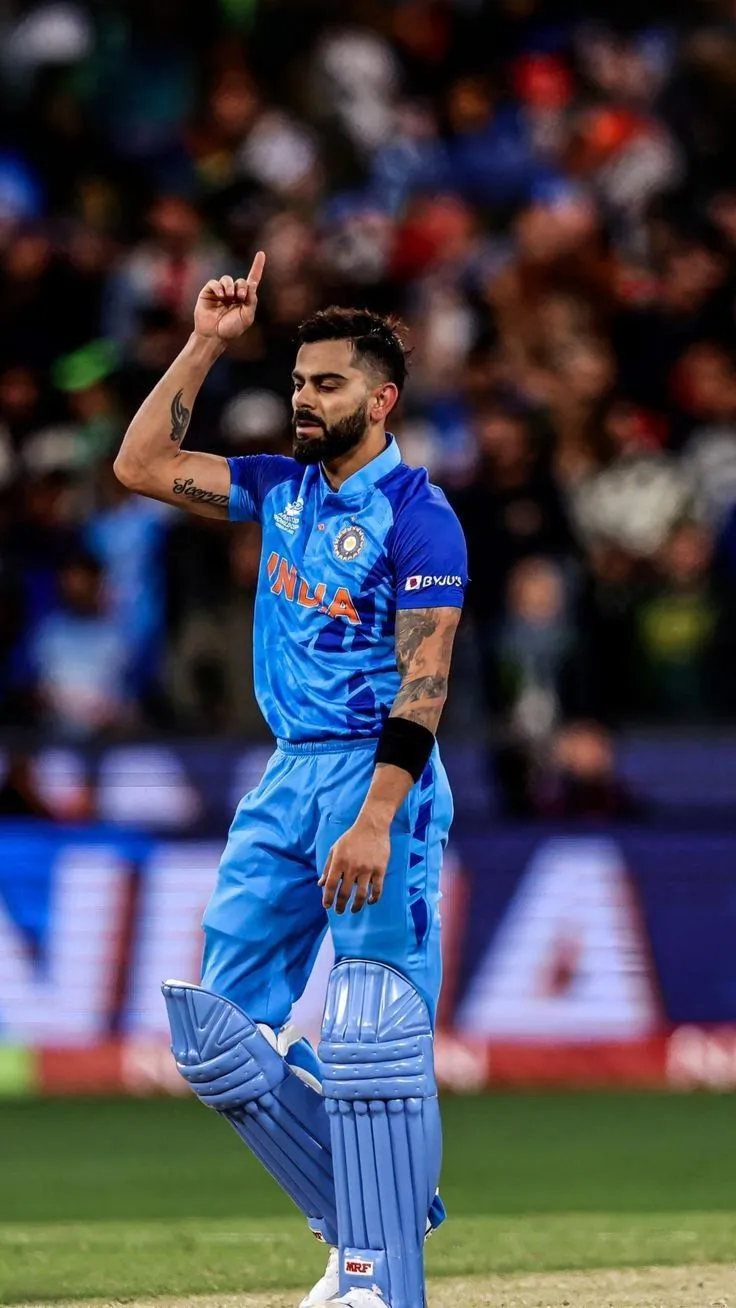
Creating Pressure Versus Waiting for It
Beyond personality, Kaif highlighted a tactical shortcoming. India, he felt, waited for the pitch and the scoreboard pressure to deliver wickets rather than forcing errors. In a five-day game, especially when the opposition is fighting to save the match, passive periods can prove costly. The former opener suggested that a more proactive approach—varying fields, changing bowling plans more assertively, and maintaining verbal and physical intensity—might have produced the breakthrough that never arrived.
Dinusha’s resistance became the defining feature of the final day. Kaif believed a player of Kohli’s competitive nature would have targeted him more directly, seeking to disrupt his concentration and rhythm. The absence of that kind of personal contest, in Kaif’s reading, allowed the Sri Lankan batter to settle and blunt India’s attack.
Wider Implications for the Team
The draw in Colombo carries significance beyond one match. In the context of the World Test Championship cycle, every result matters. Opportunities to secure victories in Asia, where conditions can assist spin, are valuable. Failing to convert a strong position into a win inevitably invites scrutiny of both tactics and temperament.
Kaif’s intervention adds a particular dimension to that scrutiny. Rather than focusing solely on selection or individual performances, he has drawn attention to the intangible quality of on-field energy. His argument is that leadership is expressed not only through decisions about bowling changes and field placements but also through the ability to keep an entire unit switched on for extended periods.
A Voice from Experience
As a former India player who experienced both the highs and demands of Test cricket, Kaif speaks from a position of familiarity with the format’s unique challenges. His comments are blunt, yet they centre on a recognisable truth: Test matches are often decided by sustained intensity as much as by moments of individual brilliance. When that intensity fades, even favourable conditions and a strong starting position can be neutralised.
Whether or not Kohli’s presence would have guaranteed a different result remains speculative. What Kaif has articulated is a clear sense that the current side, under Gill, has yet to fully develop the collective urgency that once characterised Indian teams in similar situations. The Colombo draw has therefore become more than a missed opportunity on the field. It has opened a conversation about the kind of energy and leadership the team will need as it continues its transition.
For Gill and his players, the criticism serves as a reminder that converting advantageous positions requires more than technical skill. It demands the ability to maintain pressure, lift teammates and refuse to let the game drift—qualities Kaif associates strongly with the player India no longer has in its Test ranks.
Read more – Instantdua.com