Daily Hydration Benefits: Why Drinking Enough Water Matters
Water is essential to nearly every function in the human body. It makes up a large percentage of body weight and is involved in temperature regulation, nutrient transport, waste removal, joint protection, and cognitive performance. Despite its importance, many people go through the day only mildly dehydrated without fully recognizing the effects. Understanding the benefits of consistent daily hydration and recognizing the signs of inadequate fluid intake can support better energy, physical performance, and overall health.
Essential Roles of Water in the Body
The body uses water continuously. It helps form saliva and other fluids necessary for digestion and comfort. Water carries nutrients and oxygen to cells through the bloodstream and assists in removing waste products via urine and bowel movements. It lubricates joints and cushions sensitive tissues, including the spinal cord. During physical activity or in warm conditions, sweating allows the body to release heat and maintain a stable internal temperature.
Water also supports the brain. Even mild dehydration can affect concentration, mood, alertness, and short-term memory. Maintaining adequate fluid levels helps these systems operate more efficiently throughout the day.
Physical Performance and Energy
Physical performance declines when fluid levels drop. Muscles and the cardiovascular system work less efficiently under dehydration, which can lead to earlier fatigue, reduced endurance, and decreased strength. During exercise or prolonged activity, the body loses water through sweat. Replacing those losses helps sustain performance and reduces the risk of overheating.
Everyday energy levels are also influenced by hydration. Inadequate fluid intake can contribute to feelings of tiredness and sluggishness because the heart must work harder to pump blood when blood volume is reduced. Drinking enough water supports more stable energy across the day.
Digestion, Nutrient Absorption, and Waste Removal
Water plays a direct role in breaking down food and absorbing nutrients. It is a component of digestive juices and helps move material through the digestive tract. Sufficient fluid intake softens stool and supports regular bowel movements, reducing the likelihood of constipation.
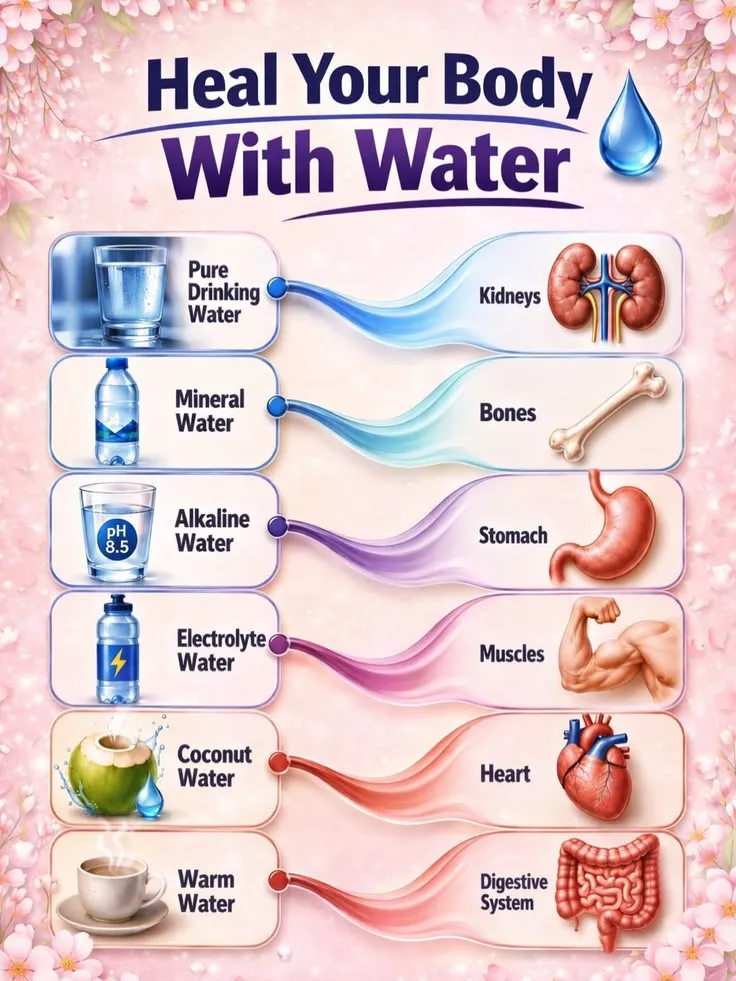
The kidneys rely on adequate water to filter waste from the blood and produce urine. Consistent hydration helps these organs function effectively and may lower the risk of certain problems, such as kidney stones, in susceptible individuals.
Temperature Regulation and Joint Health
Sweating is one of the body’s primary cooling mechanisms. Without enough fluid to support sweat production, the risk of overheating rises, particularly during exercise, hot weather, or illness. Proper hydration helps maintain this cooling capacity.
Joints and cartilage contain significant amounts of water. Adequate hydration supports their shock-absorbing properties and may help reduce discomfort associated with dryness or stiffness in connective tissues.
Cognitive Function and Mood
Research indicates that mild dehydration can impair attention, memory, and mood. People may experience difficulty concentrating, increased feelings of anxiety or irritability, or a general sense of mental fog. Restoring fluid balance often improves these symptoms. For students, professionals, and older adults, maintaining hydration is a practical way to support clearer thinking and emotional stability.
Skin and Overall Comfort
While drinking water is not a cure for skin conditions, adequate hydration helps maintain the water content of skin cells and supports overall tissue health. Dehydration can contribute to dryness. More broadly, sufficient fluid intake keeps mucous membranes in the mouth, nose, and eyes more comfortable.
How Much Water Is Needed
Individual needs vary based on body size, activity level, climate, diet, and health status. A common general recommendation is around six to eight cups or glasses of fluid per day, though some people require more. Physical activity, hot environments, pregnancy, breastfeeding, and certain health conditions increase requirements.
A practical indicator is urine color. Pale yellow usually suggests adequate hydration, while darker urine often signals the need for more fluid. Thirst is a useful signal but is not always perfect, especially in older adults or during intense activity. Spreading intake across the day is more effective than consuming large amounts at once.
Fluid comes from both beverages and food. Water is the most straightforward choice, but other unsweetened drinks and water-rich foods such as fruits and vegetables also contribute. Sugary beverages add fluid but also unnecessary calories and are less ideal as primary sources.
Recognizing and Preventing Dehydration
Common signs of mild to moderate dehydration include thirst, dry mouth, darker urine, reduced urine output, fatigue, dizziness, headache, and difficulty concentrating. More severe dehydration can involve confusion, rapid heartbeat, or significantly decreased urination and requires prompt medical attention.
Prevention is straightforward: drink regularly rather than waiting until strong thirst develops, increase intake during exercise or heat, and pay attention to early warning signs. Keeping a reusable water bottle visible serves as a practical reminder for many people.
Special Considerations
Athletes and people who sweat heavily may need additional fluid and, in prolonged intense activity, electrolytes. Individuals with certain medical conditions should follow personalized advice from a healthcare professional, as fluid needs or restrictions can differ. Older adults often have a reduced sense of thirst and may need more deliberate habits to stay hydrated.
Building a Sustainable Hydration Habit
Daily hydration does not require perfection or extreme volumes. Consistent, moderate intake spread throughout the day supports the body’s continuous need for fluid. Pairing water with routine activities—meals, breaks, commuting, or work tasks—helps make the habit automatic. Choosing water more often in place of sugary drinks further improves overall dietary quality.
Water is fundamental to physical and mental function. By maintaining adequate daily hydration, individuals support temperature regulation, joint comfort, digestion, waste removal, energy levels, and cognitive performance. These benefits accumulate quietly through ordinary daily choices. Making sufficient fluid intake a regular practice is one of the simplest and most effective ways to care for the body over both the short and long term.
Read more – thewhipp.com