How Stress Management and Quality Sleep Support Better Mental Health
Stress and sleep are deeply interconnected with mental health. Occasional stress is a normal part of life, yet when it becomes persistent it can contribute to emotional difficulties, physical symptoms, and disrupted rest. Poor sleep, in turn, heightens stress reactivity and increases vulnerability to conditions such as anxiety and depression. Research consistently shows that improving either stress management or sleep quality often produces benefits for the other and for overall mental well-being.
A substantial body of evidence, including large meta-analyses of randomized controlled trials, demonstrates that interventions which enhance sleep quality lead to meaningful improvements in mental health outcomes. These include reductions in symptoms of depression, anxiety, stress, and rumination. The relationship is bidirectional: better sleep supports emotional regulation, while effective stress management makes restorative sleep more achievable.
The Impact of Chronic Stress on Mind and Body
Everyone experiences stress at times. When stress persists, it can trigger feelings of fear, anger, sadness, worry, or frustration. It may also cause changes in appetite and energy, difficulty concentrating, sleep problems, headaches, muscle tension, and worsening of existing health conditions. Prolonged activation of the body’s stress response systems can affect mood regulation and increase the likelihood of anxiety or depressive symptoms.
Healthy coping strategies help interrupt this cycle. Connecting with trusted people, practicing gratitude, engaging in regular physical activity, and maintaining consistent daily routines all support emotional resilience. These approaches do not eliminate stressors but build capacity to respond more effectively.
Why Quality Sleep Matters for Mental Health
Adults generally need seven or more hours of sleep each night. Quality sleep allows the brain to process emotions, consolidate memories, and restore regulatory systems that influence mood and stress response. Insufficient or poor-quality sleep is strongly associated with higher rates of depression and anxiety. People with insomnia face substantially elevated risks of clinically significant mood and anxiety difficulties compared with those who sleep well.
Experimental evidence shows that sleep loss reduces positive affect, increases anxiety symptoms, and impairs emotional regulation. Conversely, when sleep improves, mental health symptoms often improve as well. Meta-analyses of controlled trials confirm medium-sized benefits for overall mental health, depression, and anxiety following successful sleep interventions, with a dose-response pattern: greater sleep gains tend to produce greater mental health gains.
The National Sleep Foundation and other expert groups emphasize that sleep health and mental health share a two-way relationship. Treating sleep problems can ease mood symptoms, and addressing mental health concerns can improve sleep. Good sleep health—adequate duration, satisfaction with sleep, and healthy sleep behaviors—is linked to lower depressive symptoms in population data.
Practical Approaches to Managing Stress
Effective stress management combines several evidence-supported practices. Physical activity, even in moderate amounts, improves emotional well-being and can reduce tension. Mindfulness and meditation practices help lower perceived stress and anxiety while supporting better sleep. Deep, slow breathing exercises modestly reduce stress hormone levels and promote calm.
Social connection remains important. Talking with trusted individuals or participating in community activities provides emotional support. Setting realistic priorities and protecting time for rest helps prevent overload. Gratitude practices, such as regularly noting positive aspects of daily life, have been linked to improved emotional well-being.
These strategies work best when practiced consistently rather than only during acute stress. Over time they strengthen the ability to recover from challenges and protect mental health.
Building Habits for Better Sleep
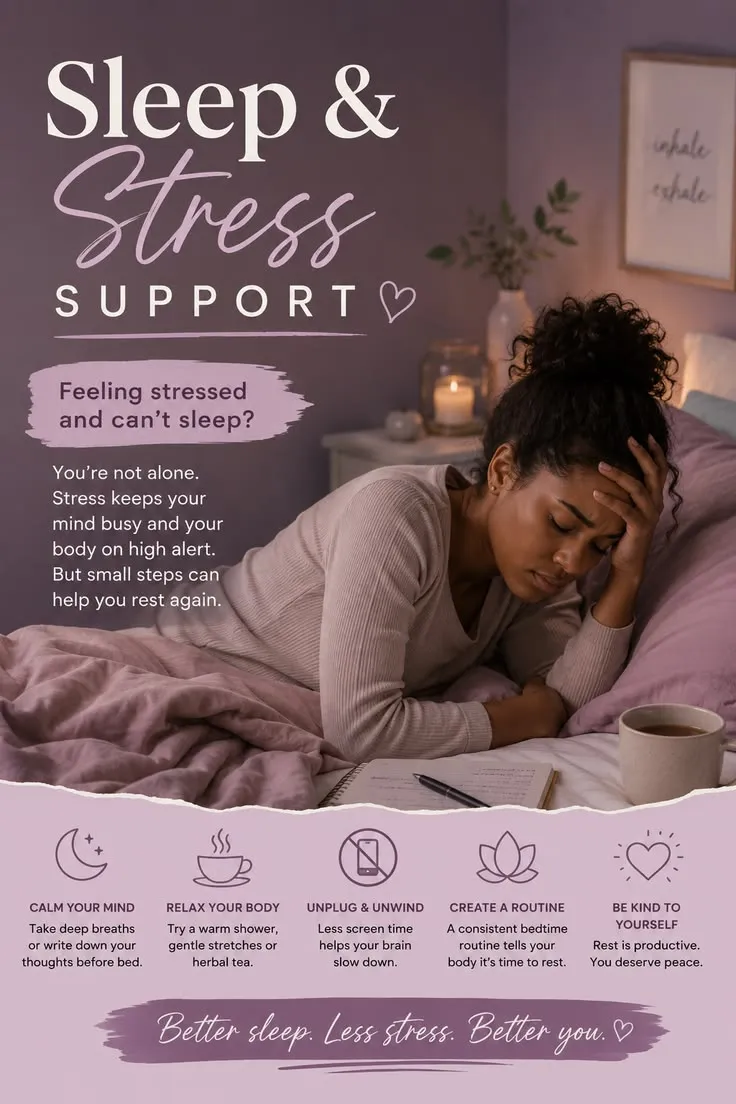
Improving sleep quality often begins with consistent habits. Going to bed and waking at roughly the same times each day helps regulate the body’s internal clock. Creating a restful environment—dark, quiet, and cool—supports easier sleep onset. Limiting screen use in the hour before bed reduces exposure to light that can interfere with natural sleep signals.
Regular daytime movement and outdoor light exposure further reinforce healthy sleep patterns. Avoiding large meals, caffeine, and stimulating activities close to bedtime also helps. When sleep difficulties persist, structured approaches such as cognitive behavioral techniques for insomnia have strong evidence for improving both sleep and related mental health symptoms.
Relaxation methods, including progressive muscle relaxation or guided breathing, can ease the transition into sleep and reduce nighttime arousal linked to stress.
The Combined Benefit of Addressing Both
Because stress and sleep influence each other, addressing them together often yields stronger results. Better sleep reduces next-day stress reactivity and improves emotional resilience. Effective stress management makes it easier to fall asleep and stay asleep. Together they support clearer thinking, more stable mood, and greater capacity to handle daily demands.
Lifestyle factors such as physical activity, social connection, and avoidance of harmful substances complement these efforts. When integrated into daily routines, they form a foundation for sustained mental well-being.
Seeking Additional Support When Needed
Self-care strategies are valuable for many people, yet persistent stress, ongoing sleep problems, or significant mood changes may require professional guidance. Mental health and sleep specialists can offer tailored approaches, including structured therapies that target both sleep and emotional difficulties.
Improving stress management and sleep quality is not about achieving perfection. Small, consistent steps—protecting sleep time, practicing simple relaxation techniques, staying connected, and moving regularly—can produce meaningful benefits over time. By supporting these two foundational elements of health, individuals strengthen their capacity for emotional balance and long-term mental well-being.
Read more – llookwhatmomfound.com